
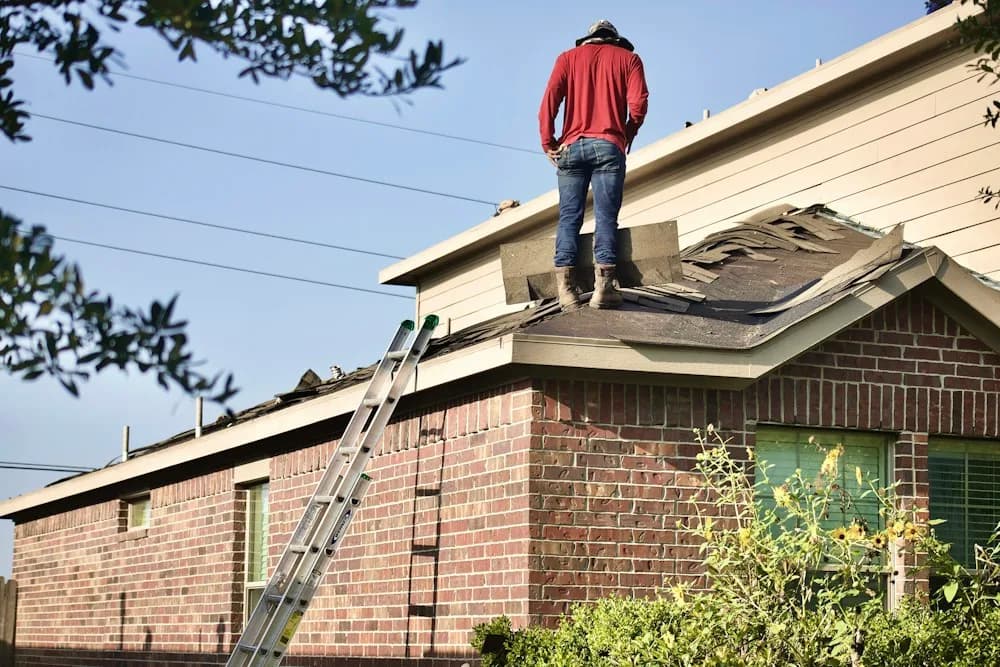
Give homeowners confidence before they request a roofing estimate.
A roof is a considered purchase. Homeowners want to understand your materials, process, service area, and experience with projects like theirs. We help roofing companies bring project photography, repair and replacement information, and enquiry options together in a website that supports that decision.
- Use separate explanations for repair and replacement decisions.
- Pair real project images with useful context and permission.
- Make the estimate request clear without promising a diagnosis or price before assessment.
Jump to a section
Support a decision that usually involves comparison.
Homeowners may compare several contractors before requesting or accepting a roofing estimate. Your website needs to explain the work you do, where you operate, and what it is like to begin a project with your team. A prominent phone number helps, but it cannot replace the information that builds confidence before the call.
Our website design process organizes service information, project evidence, and contact options around that decision. Repair and replacement pages can offer different explanations while keeping the next step consistent. The aim is a useful introduction to the business, rather than a page built only around repeated roofing keywords.
Explain the assessment and project process.
Customers should understand how an enquiry becomes an assessment and how scope is confirmed. Describe the services and materials you actually offer, using language the homeowner can follow. Any warranty, financing, or credential information should come from the business and accurately reflect the current terms.
Our SEO services connect this useful service content with relevant searches. The website planning guide can help you identify the missing explanations before writing new pages. Avoid giving a definitive recommendation about a particular roof through generic marketing copy.
Turn a gallery into evidence a homeowner can use.
A row of roof photos is more useful when each example includes a short explanation: the kind of project, the work completed, and what the image shows. Where before-and-after photographs are available, use the same project and provide enough context to understand the change.
Use only information and images you have permission to publish. Customer feedback should also be attributed accurately. The review request guide describes a consistent way to invite honest feedback after the work, and QR codes can connect printed materials with an appropriate digital destination.
“Residential roof replacement: the gallery shows the finished roof and selected installation details.” A short factual description is more credible than adding an unsupported savings percentage or an unverified claim about the project’s performance.
Build around the territory you can serve well.
Service-area content should reflect where the company actually takes work and what information matters in that market. A useful area page may include relevant project examples or specific service details. Repeating the same page with a different town name gives the reader little additional reason to choose you.
We connect local SEO consulting with Google Business Profile management so the priorities, coverage, and business details agree. Changes in demand or capacity should be part of the conversation before expanding the content plan.
Make the estimate request straightforward.
An estimate form should collect enough information to start the conversation without pretending to produce a final scope or diagnosis. Tell the customer what submitting the request means and how your team follows up. During a redesign, preserve the systems that receive those requests and verify the agreed journey.
Compare the website and marketing starting plan, then talk with us about your roofing business. Your preferred project types, coverage, current site, and available photography will help identify what belongs in the first phase and what should follow.
- Gather accurate service and project descriptions.
- Confirm approved photographs and customer feedback.
- Clarify the enquiry-to-assessment process and the person who receives requests.