
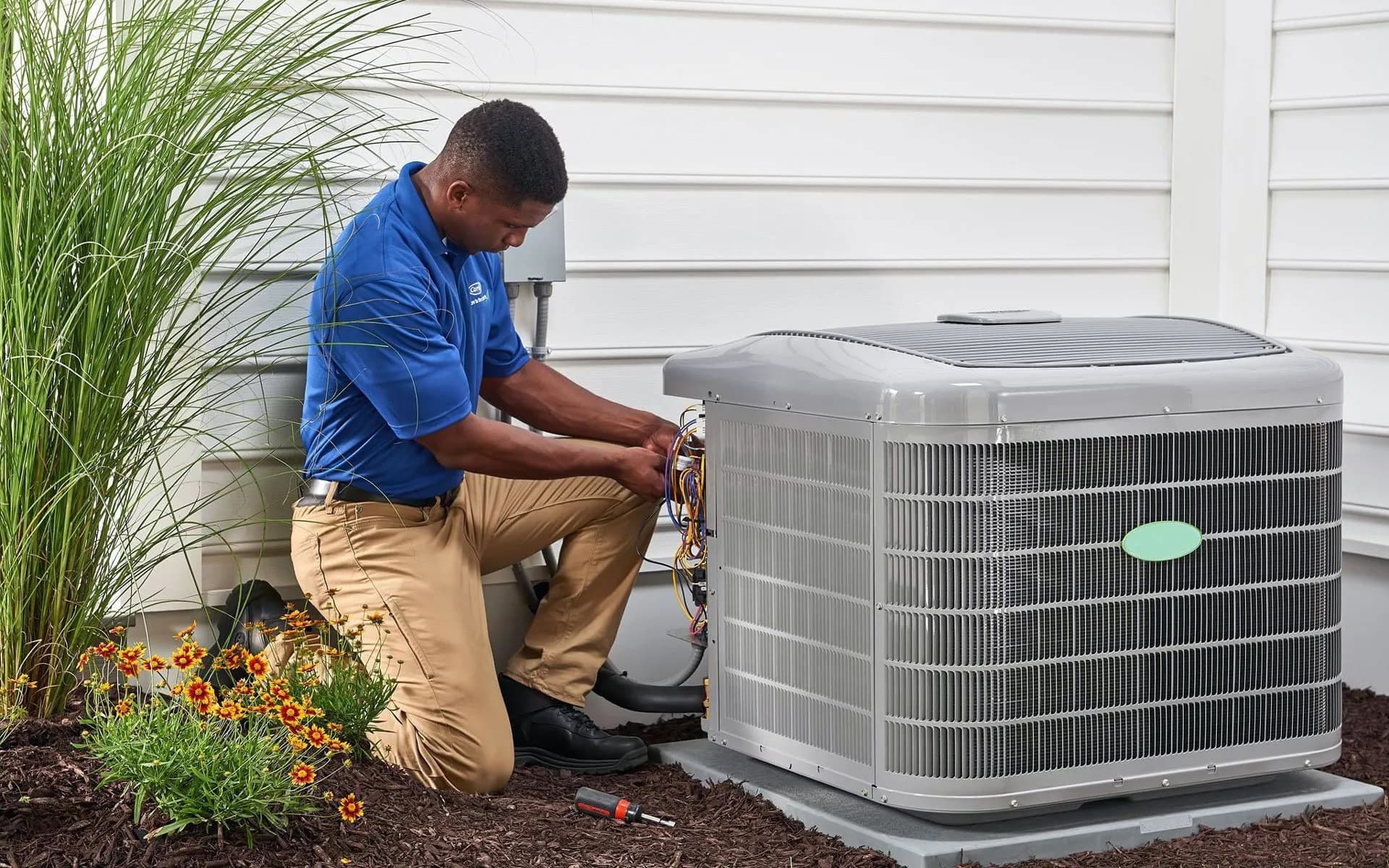
A marketing foundation for repairs, replacements, and maintenance.
A customer without cooling is making a different decision from a homeowner researching a new heating system. We organize HVAC websites around repairs, installation, and maintenance, with seasonal content priorities, clear service areas, and contact options designed for mobile visitors.
- Repair and replacement customers make different decisions.
- Seasonal content should reflect real availability and services.
- Review lead mix and enquiry handling alongside search visibility.
Jump to a section
Separate the urgent call from the considered purchase.
A customer without cooling wants to know whether you cover the area and how to reach the team. A homeowner considering replacement may compare service approach, project examples, and what an assessment involves. A maintenance customer needs clear information about the actual service offered.
Our website design work creates room for these different decisions. Repair, installation, and maintenance pages should explain their purpose and the next step. The contact route can stay consistent behind the scenes while the information leading to it becomes more useful.
Answer the questions that belong to each service.
Useful HVAC service content explains the type of work, how a request is handled, and what information the customer can prepare. Avoid turning every page into a list of equipment keywords. People need to understand whether you offer the service they are seeking and how the assessment or scheduling process begins.
An HVAC SEO plan should connect those pages with relevant searches. The service website checklist can help identify missing information before new pages are added. Existing booking links, phone numbers, and enquiry systems should be considered part of the experience.
A visitor researching replacement opens a dedicated installation page, reads how the assessment works, sees relevant project information, and requests a conversation. A clear link to repair services helps a different visitor find the appropriate path.
Plan for seasonality without making promises you cannot keep.
Seasonal priorities can change which information customers need first. Review the services and contact wording before a busy period, and make sure any availability or promotional claims are current. The website should not continue advertising a service or offer the business has stopped providing.
We connect those updates with Google Business Profile management. Changes in hours or customer contact routes should agree across the profile and website. A local SEO consultation can help establish priorities when you want to focus on a service area or project category.
Give homeowners relevant evidence of your work.
Project photography becomes more useful when it is paired with a plain-language explanation of the work. Use images and information approved for publication, describe the service accurately, and avoid claims about savings or performance that the business cannot support.
Customer experiences can provide another perspective. Our review invitation guide explains how to make the request optional and straightforward. A tap card or QR code can help the customer reach the destination after a completed service, without asking for a particular rating.
Look at the mix of enquiries, not only the total.
Repair calls, replacement enquiries, and maintenance requests may have different value and staffing needs for your business. Review whether the website is attracting the intended work, which areas enquiries come from, and whether the team can respond through the agreed process. Keep seasonal conditions in mind when comparing periods.
The Starter Package connects the website and ongoing marketing essentials. Get in touch with your current website and the work you want to prioritize so we can discuss the right scope, customer journey, and information needed from your team.
- List repair, replacement, and maintenance priorities separately.
- Confirm your real coverage and availability.
- Identify how calls and online requests reach the person responsible for follow-up.